Louisiana Bayou Birds: A Wildlife Photography Guide
Louisiana’s swamps are famous for their alligators, but there’s a lot more wildlife to see once you get out on the water. The bayous and wetlands surrounding New Orleans are home to a variety of bird species, from great blue herons hunting in shallow water to egrets perched along the shoreline. For bird watchers and wildlife photographers, these waterways offer plenty to keep an eye on.
You don’t need expensive camera equipment or years of photography experience to photograph Louisiana’s birds. Whether you’re using an iPhone, a Samsung Galaxy, a point-and-shoot camera, or a DSLR, a little preparation can help you capture better wildlife photographs. Photography students working with class-set limitations such as a 50mm f/1.8 lens and manual focus can also use the bayou to practice their skills.
At Airboat Adventures, our guided boat tours explore the Louisiana wetlands near Lafitte, a short drive from our New Orleans hotel pickup locations. Along the way, you’ll have opportunities to look for some of the birds and other wildlife that call the bayou home.
Birds You Might See in Louisiana’s Bayous
Louisiana’s wetlands provide food and habitat for numerous bird species. Some spend much of their time wading through shallow water, while others hunt from the air or perch in trees along the waterways.
Here are a few birds to keep an eye out for, along with photography tips for different types of cameras.
Great Blue Herons
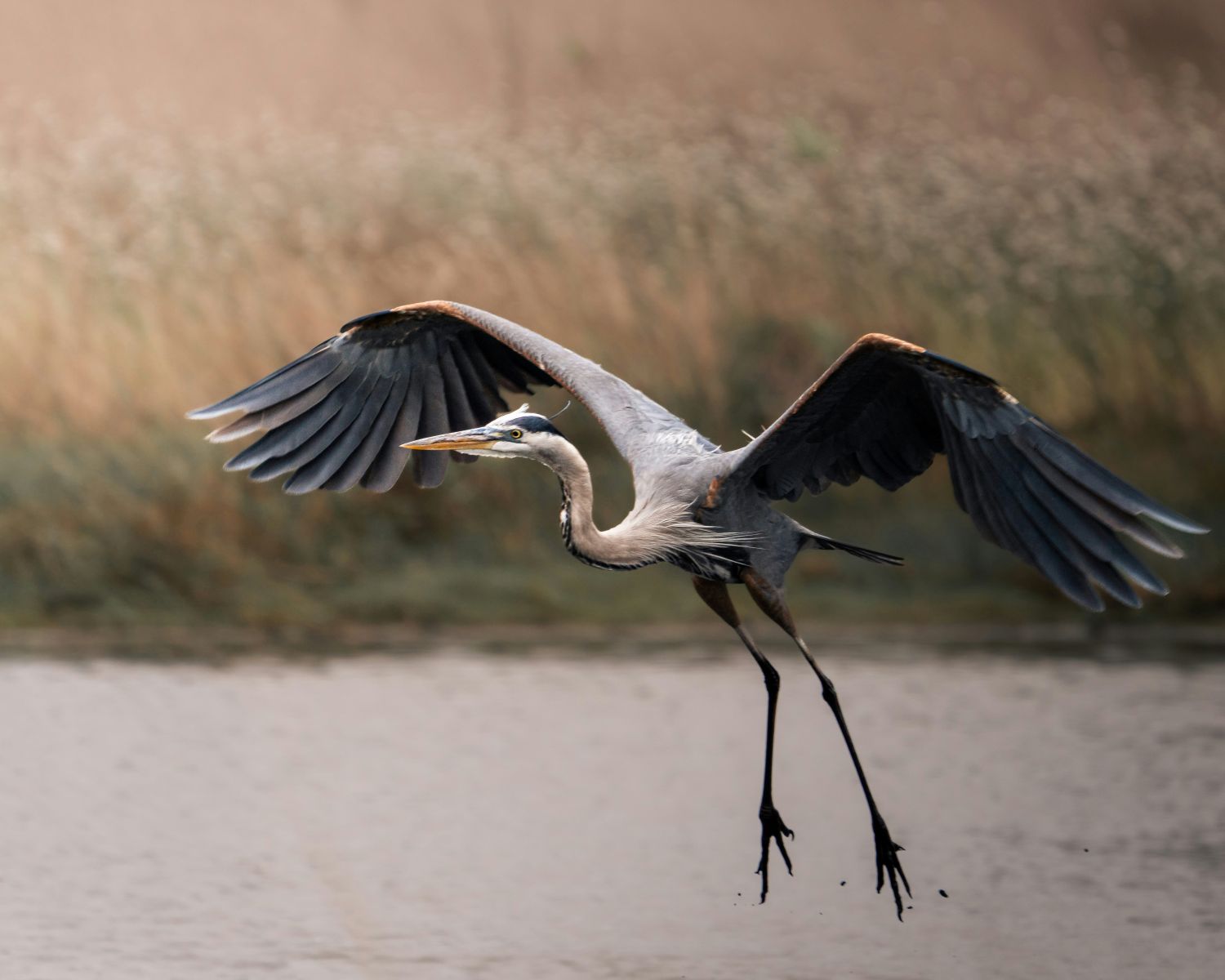
Great blue herons are among the largest and most recognizable wading birds in North America. Their blue-gray feathers, long legs, and distinctive necks make them relatively easy to identify, even from a distance.
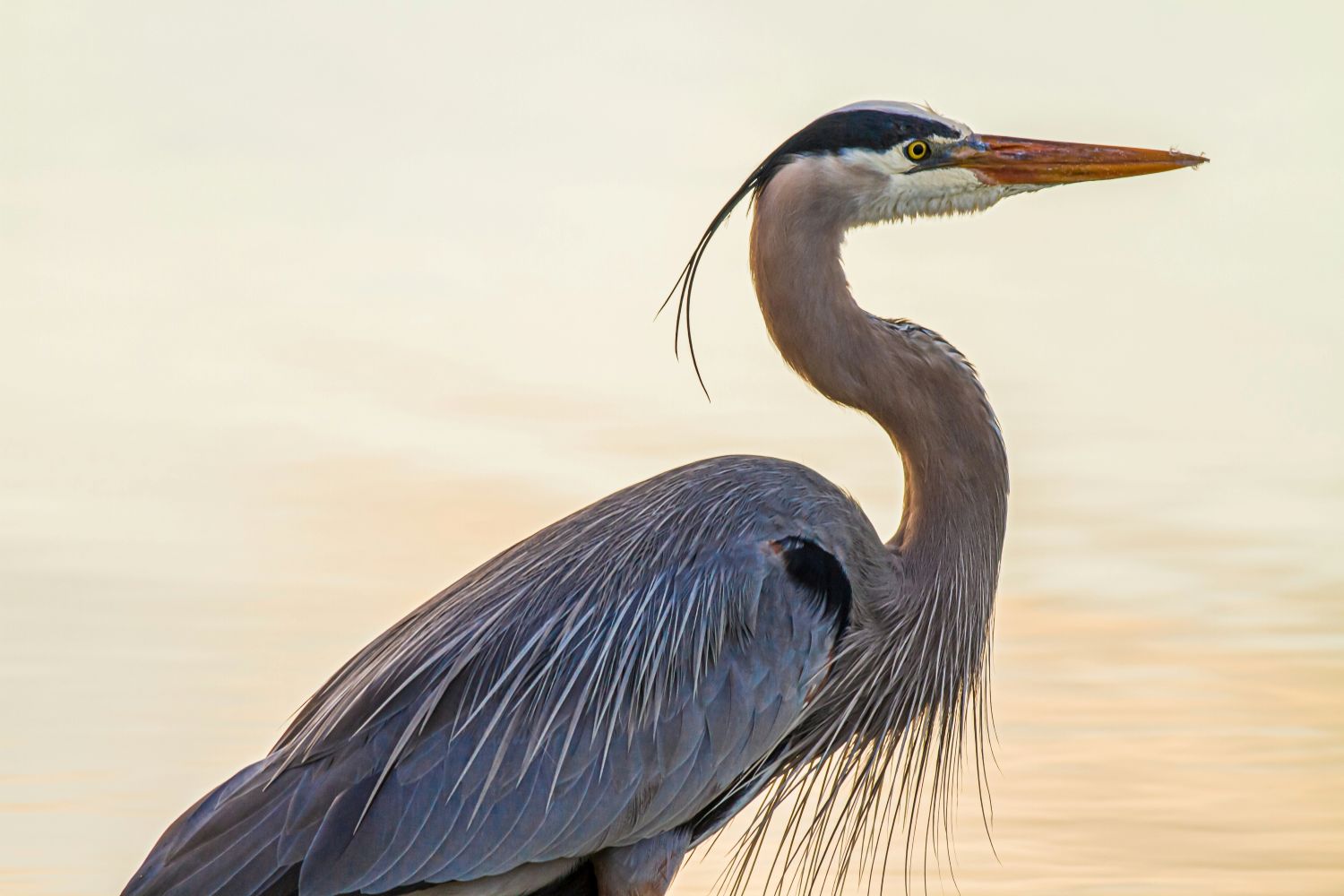
These birds often stand almost completely still while hunting for fish in shallow water. Don’t let their slow movements fool you, though. When a fish gets close enough, a heron can strike with surprising speed.
Photography Tips: Capturing Movement
- iPhone: Use Burst mode to capture several frames when a heron strikes at a fish or takes flight.
- Samsung Galaxy: Use burst shooting, if supported, to photograph sudden movements.
- Point-and-Shoot Camera: Select Sports mode or continuous shooting when a heron begins hunting.
- DSLR or Mirrorless with 18 to 55mm Kit Lens: Try a shutter speed of 1/1000 second to freeze movement. At 55mm, include the surrounding water if the bird is distant.
- Photography Student (50mm f/1.8, Manual Focus): Practice focusing on a stationary heron before attempting movement. For hunting behavior, try 1/1000 second, starting at ISO 100 in bright sunlight or ISO 400 in overcast conditions. Check your exposure meter and adjust as needed.
Great Egrets
With their bright white feathers, long necks, and yellow bills, great egrets are hard to miss against the darker greens and browns of the Louisiana swamp.
Like herons, egrets spend much of their time searching for food in shallow water. They may stand still waiting for prey or move slowly through the wetlands looking for fish and other small animals.
Their bright feathers can be challenging to photograph against dark vegetation, making exposure particularly important.
Photography Tips: Managing Exposure
- iPhone: Tap the egret and lower the on-screen exposure slightly to preserve detail in its white feathers.
- Samsung Galaxy: Adjust exposure using the on-screen brightness control if the feathers appear overly bright.
- Point-and-Shoot Camera: Try exposure compensation of -1/3 EV if the white feathers lose detail.
- DSLR or Mirrorless with 18 to 55mm Kit Lens: Use negative exposure compensation when necessary and check your camera’s highlight warnings.
- Photography Student (50mm f/1.8, Manual Focus): In direct sunlight, start at ISO 100 and 1/4000 second. Under overcast skies, start at ISO 200 and adjust shutter speed using your exposure meter. Focus manually on the bird’s eye and check that its feathers retain detail.
White Ibises
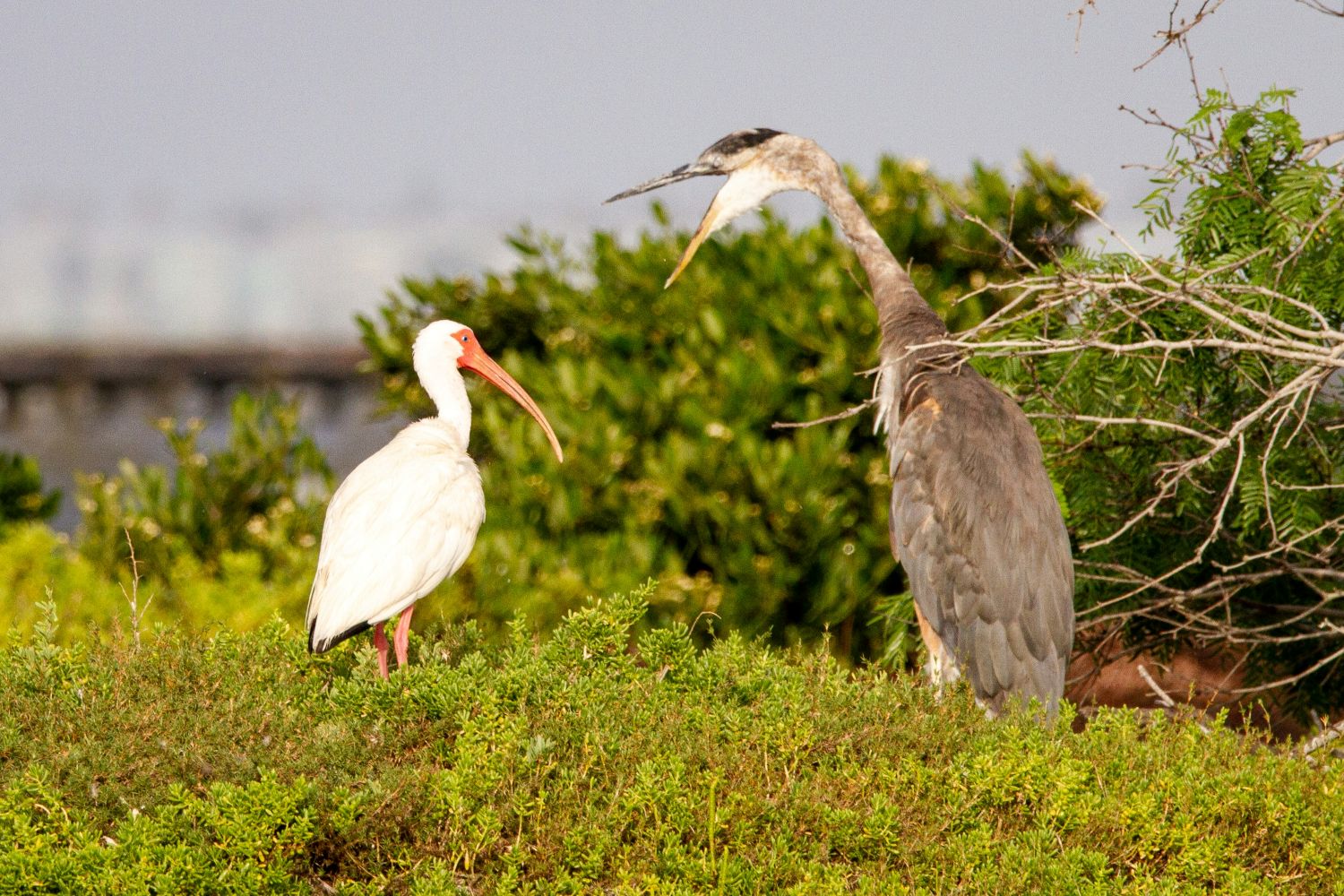
The white ibis is another bird worth watching for in Louisiana’s wetlands. Adults have white feathers, reddish-pink legs, and long, downward-curving bills that make them easy to distinguish from herons and egrets.
Ibises use their curved bills to search for food in shallow water and muddy areas. They’re also social birds, so you may see several feeding together.
Their group behavior makes them interesting subjects for photographers who want to capture more than a single bird.
Photography Tips: Group Composition
- iPhone: Frame several ibises together, including enough surrounding water to show their feeding activity.
- Samsung Galaxy: Compose the group so birds occupy different areas of the frame rather than clustering in the center.
- Point-and-Shoot Camera: Use optical zoom to frame a small group with reflections or vegetation.
- DSLR or Mirrorless with 18 to 55mm Kit Lens: Try 35 to 55mm for a group photograph. An aperture around f/8 can help keep several birds sharp when lighting allows.
- Photography Student (50mm f/1.8, Manual Focus): Photograph birds positioned at similar distances to improve your chances of keeping several sharp. Try 1/1000 second for feeding movements. Start at ISO 100 in bright sunlight or ISO 400 in cloudy conditions, adjusting based on your exposure meter.
Hawks, Owls, and Bald Eagles
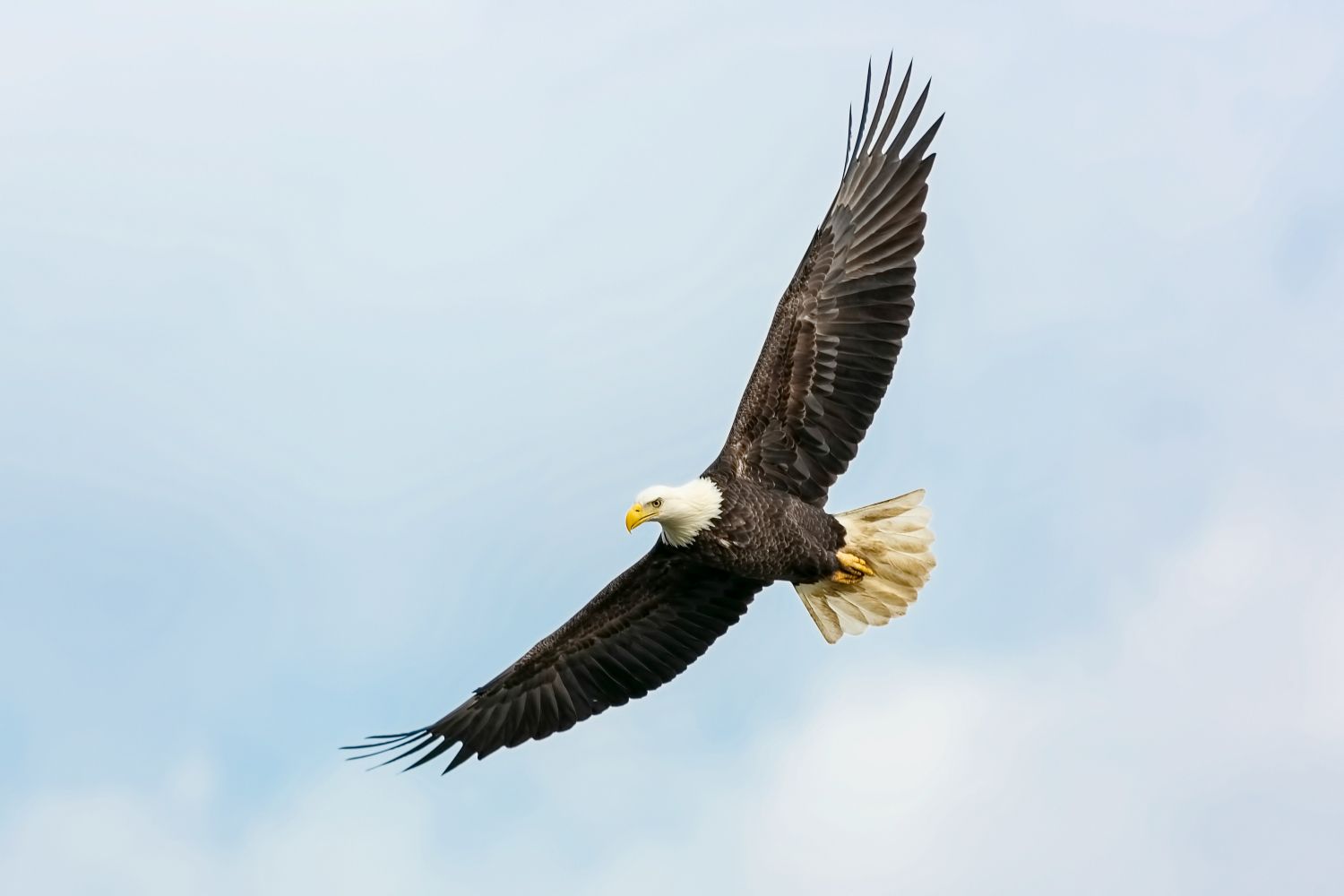
Not every bird in the Louisiana bayou spends its time wading through water. The region is also home to birds of prey, including hawks, owls, and bald eagles.
These birds can be more difficult to spot than the wading birds along the shoreline. Depending on the species, you might find them perched in trees, flying overhead, or searching for food.
Bald eagles are particularly recognizable thanks to the white heads and tails of mature adults. However, younger bald eagles have mostly brown plumage, so they aren’t always as easy to identify.
Birds of prey can be challenging photography subjects because they’re often far away or moving quickly.
Photography Tips: Distant Birds and Flight
- iPhone: Use an optical telephoto camera if available. For flight, start with a wider frame to track the bird.
- Samsung Galaxy: Use optical telephoto zoom if supported, leaving enough room in the frame for movement.
- Point-and-Shoot Camera: Use optical zoom for perched birds and Sports mode for flight.
- DSLR or Mirrorless with 18 to 55mm Kit Lens: Try a shutter speed of 1/1000 to 1/2000 second for flight. Include the bird’s surroundings when it is too distant for a close-up.
- Photography Student (50mm f/1.8, Manual Focus): Practice focusing on perched birds or prefocusing where a flying bird may pass. Start at ISO 100 in bright sunlight or ISO 400 to 800 in overcast conditions. For flight, aim for 1/1000 to 1/2000 second when exposure allows.
Wildlife sightings are never guaranteed. The birds you encounter will depend on factors including weather, season, and animal activity.
Why Louisiana’s Bayous Are Great for Bird Watching
Louisiana’s wetlands include a mixture of marshes, swamps, open waterways, and wooded areas. These different environments provide birds with places to feed, rest, and nest.
Wading birds such as herons, egrets, and ibises are particularly well suited to shallow wetlands. Their long legs allow them to move through water while searching for fish, insects, and other food. The trees surrounding swamp waterways also provide habitat for other species.
Louisiana’s wetlands are important to migratory birds as well. The state’s location along major North American migration routes makes its coastal marshes a valuable habitat for birds traveling between breeding and wintering areas.
One way to observe these habitats is from the water itself. Our guided tours explore a 20,000-acre tract of Louisiana wetlands near the Jean Lafitte National Historical Park and Preserve.
Our local captains share their knowledge of the area’s wildlife and environment as you explore the bayou. While alligators often get the most attention, there’s plenty of birdlife to look for along the way.
Beginner Tips for Photographing Birds from a Boat
Photographing birds from a boat presents a few challenges you won’t encounter when standing on solid ground. The boat may be moving, your subject may be moving, and you won’t always have time to adjust your camera before a bird disappears from view.
Start with a Sharp Photograph
If you’re new to wildlife photography, prioritize getting your subject in focus before experimenting with complicated compositions.
On a smartphone, tap the bird to focus. On a point-and-shoot camera, try Sports mode for moving subjects. DSLR and mirrorless users can choose a faster shutter speed to reduce motion blur.
If you’re shooting with manual focus, start with stationary birds whenever possible.
Understand Your Camera’s Zoom Limitations
You don’t need to fill the entire frame with a bird to take a good wildlife photograph.
Smartphones and point-and-shoot cameras vary in their optical zoom capabilities, while a standard 18 to 55mm kit lens or 50mm prime lens may not provide enough reach for a distant bird.
Instead of relying on excessive digital zoom, use the surrounding swamp to your advantage. A heron standing beside a cypress tree or an egret reflected in the water can make an interesting photograph even when the bird occupies only part of the image.
Keep Your Equipment Secure
Water, humidity, and boat movement are important considerations when bringing camera equipment into the swamp.
Use a camera strap, keep your equipment protected when you’re not taking pictures, and avoid changing lenses when there’s a risk of water spray.
Follow your captain’s instructions and remain seated whenever required. It’s also important to remember that wildlife should be observed without disturbing its natural behavior.
Photographing Wildlife on an Airboat or Pontoon Tour
We offer several ways to explore the Louisiana wetlands. Each provides opportunities to observe the surrounding environment, although the pace and experience differ.
Exploring the Bayou by Airboat
Airboats use an engine-powered propeller to travel through shallow waterways, creating a faster-paced experience than a traditional boat tour.
We offersmall airboat tours andlarge airboat tours for visitors interested in exploring the Louisiana wetlands.
Both experiences explore the area with our local captains, who share information about the wildlife and surrounding environment.
For photography, keep your camera secured during faster portions of the ride and be prepared for opportunities to observe birds when conditions allow.
Exploring the Bayou by Pontoon Boat
For visitors who prefer a more leisurely experience, we also offerpontoon boat swamp tours.
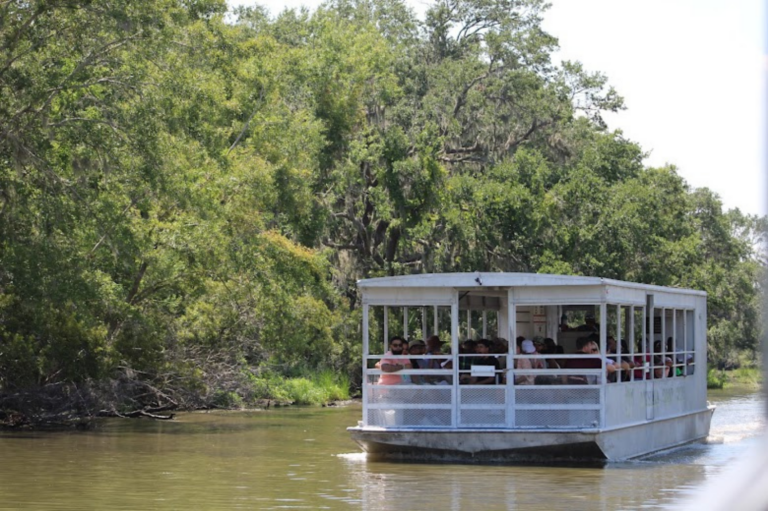
Our covered boats travel through shallow marshes and bayous lined with cypress and tupelo-gum trees. The 90-minute experience includes narration from a local guide who shares information about the surrounding environment and wildlife.
The slower pace may appeal to beginning photographers who want more time to observe their surroundings and prepare their cameras.
Exploring the Bayou with Your Own Group
We also offerprivate airboat tours for families, friends, school groups, and other parties who want to explore the wetlands together.
Our private tours provide exclusive use of the boat, with several sizes available for different groups. We also offer private pontoon options by quote.
While private experiences can be tailored to a group’s interests, wildlife sightings and specific photography opportunities still depend on natural conditions.
Regardless of which experience you choose, remember that you’re photographing wildlife in its natural environment. Birds may appear unexpectedly, and there’s no guarantee that a particular species will be visible during your visit.
Discover Louisiana’s Bayou Birds with Airboat Adventures
You don’t have to travel far from New Orleans to experience Louisiana’s wildlife. We’re located in Lafitte, a short drive from our New Orleans pickup locations, making it easy to include time in the wetlands during your visit.
Our guided boat tours provide opportunities to explore the bayou with local captains who know the waterways and the wildlife that lives there. Along with birds, you may also encounter alligators, turtles, snakes, and other native animals.
Staying in New Orleans? We offer optional roundtrip transportation from eligible Greater New Orleans hotel pickup locations for an additional fee, so you don’t have to arrange your own drive to Lafitte.
Bring your camera, keep an eye on the shoreline, and see what wildlife you can spot during your visit.